By MV Vacation BlogUpdated Oct 21, 2026Facts checked Aug 28, 20269 mins read 4,721 views
Your complete guide to Martha's Vineyard: beaches, lighthouses, all six towns, outdoor activities, dining, ferries, and planning tips.
Martha's Vineyard is an island off the coast of Massachusetts and one of the best-known summer destinations in New England: about 90 square miles of beaches, farmland and small villages where the pace of life runs noticeably slower than on the mainland. There is no bridge, so you arrive by ferry or by air, and the crossing is part of the trip. The Vineyard also has a real year-round community, which you notice at the farm stands and in the harbor talk.
6towns, each with its own rules and mood
90square miles of island, roughly
20beaches on two very different shores
45 minferry crossing from Woods Hole
This page is the short version of what we cover in depth elsewhere, with links wherever your trip needs more detail.
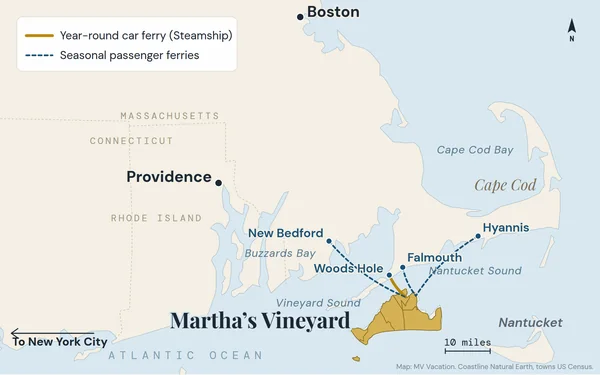
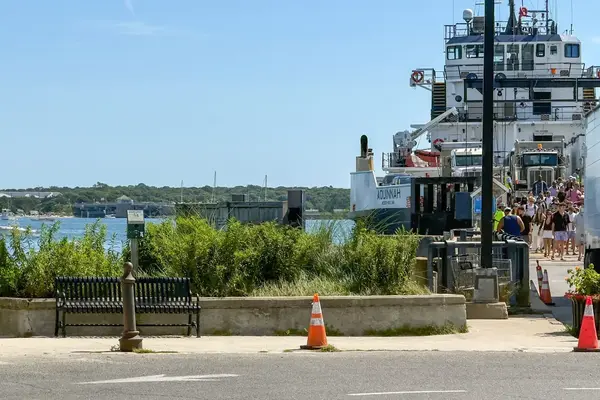
Most visitors cross with the Steamship Authority from Woods Hole, about 45 minutes over the Sound, and through October 22, 2026 boats land at both Vineyard Haven and Oak Bluffs (Oak Bluffs drops to four round trips a day after September 10). From October 23, every boat runs Woods Hole to Vineyard Haven only, 14 round trips a day. Walk-on passengers never need a reservation; bringing a car is the part that takes planning, because summer vehicle slots sell out months ahead. From late spring into fall, seasonal passenger ferries also run from Falmouth, Hyannis, New Bedford, Rhode Island and New York (Seastreak adds New Bedford sailings over Thanksgiving), and JetBlue, Cape Air and others fly into MVY.
You may not need a car at all. The VTA bus network reaches all six towns and is fare-free through June 30, 2027, a flat, paved bike path runs along State Beach between Oak Bluffs and Edgartown, another paved path links Edgartown and Vineyard Haven, and rideshare drivers can be scarce, so buses, bikes and local taxis do most of the work. Our ferry guide covers every route, fare and booking tip.
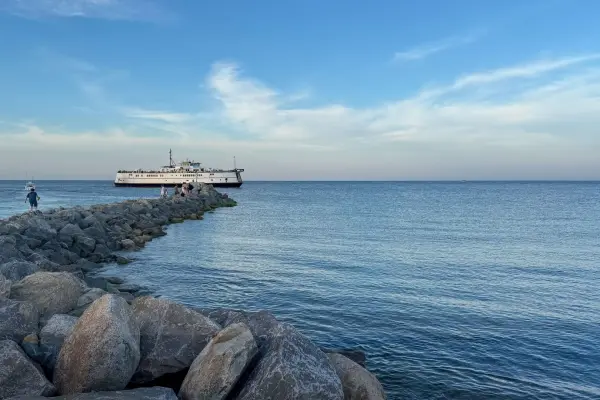
Steamship Authority · the crossingPhoto by MV Vacation
The crossing from Woods Hole · 45 minutes of salt air
The six towns
Each town has its own landmarks, feel and local rules, so the base you pick shapes the trip.
The Aquinnah Cliffs (Gay Head Cliffs on the old maps) and the lighthouse, on Wampanoag land. The overlook is the place to see them, and the clay stays where it is.
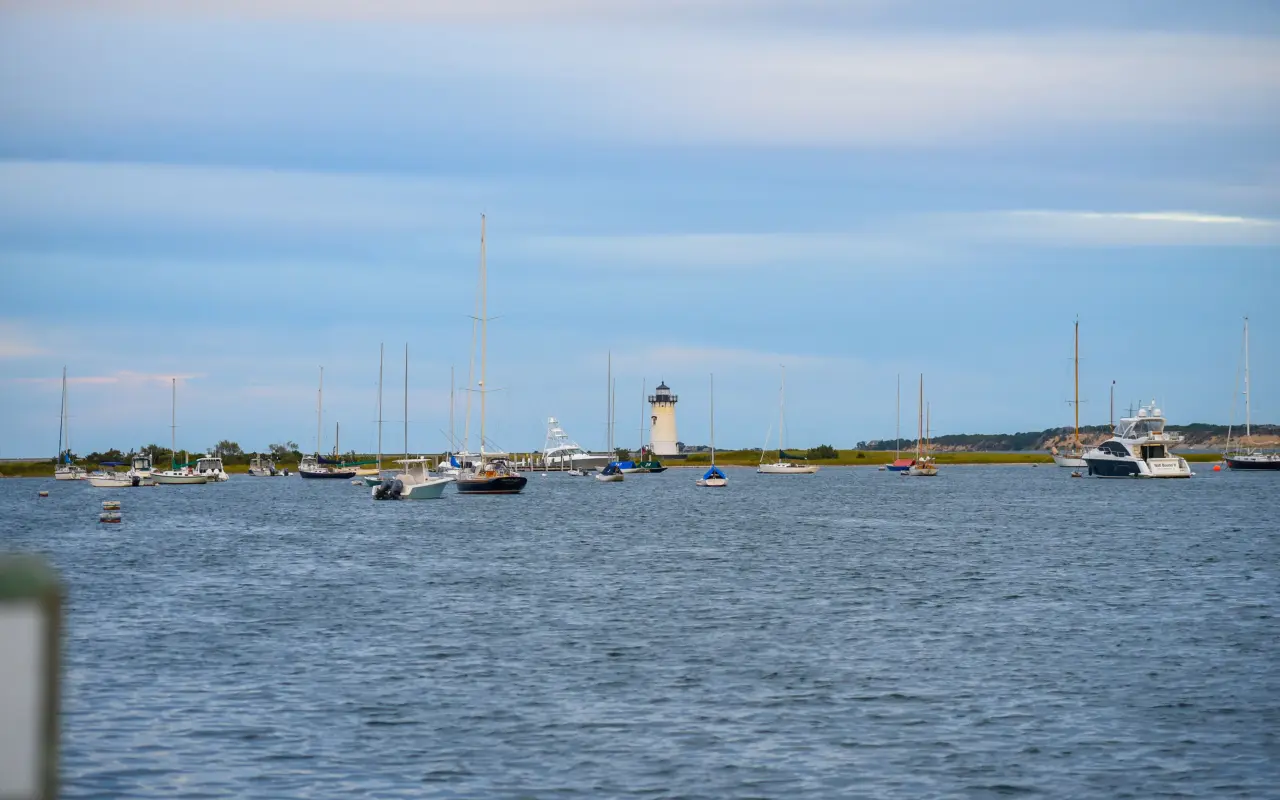
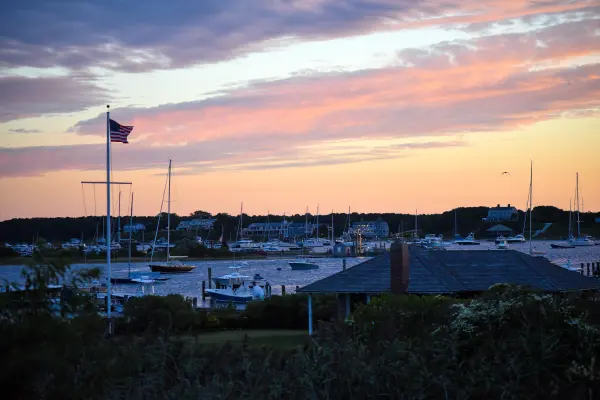
Edgartown · the harbor lightPhoto by MV Vacation
Edgartown Harbor Light across the moorings
For beach days
The Beach Guide, free
All 20 beaches with parking, stickers, lifeguards and dog rules, plus a one-page card for the beach bag. Free with the island letter, together with three more island guides.
One-click unsubscribe, and we never share your email.
Beaches on two different coasts
The South Shore faces the open Atlantic: dramatic, cooler, with real rip currents, and best treated as a place to walk and watch rather than swim. The north and east shores face Vineyard Sound and Nantucket Sound: warm, calm water where most people swim, and where we'd go with children. Parking, town stickers and dog rules change beach by beach, so start with our complete beach guide, or grab the free nine-page Beach Guide PDF from the signup below this article and keep it on your phone.
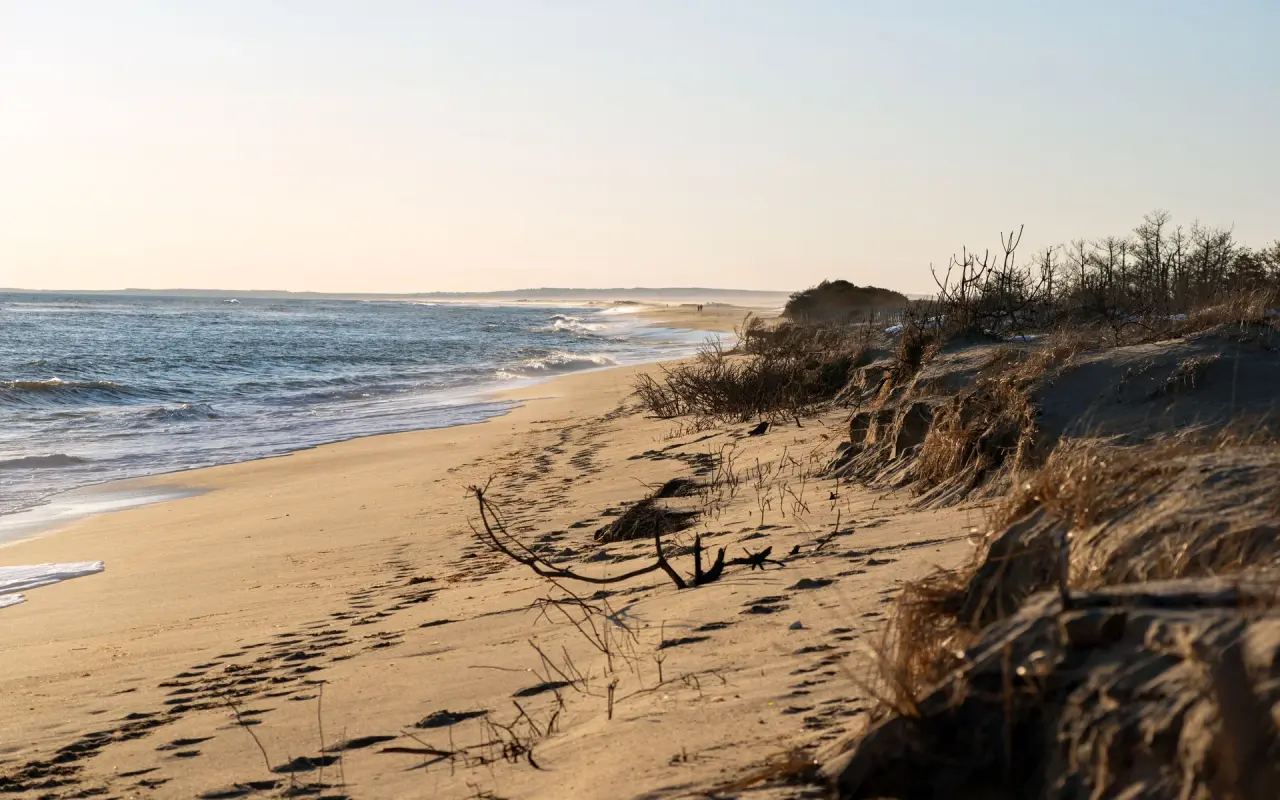
An ocean beach · low sunPhoto by MV Vacation
Low sun on a long open beach, footprints below an eroded dune edge and the surf rolling in.
When to come
Peak · late June to early September
Warm water, every restaurant and attraction open, the full events calendar, and the crowds and prices to match.
Shoulder · May–June, September–October
Mild weather, thinner crowds, easier ferries. September is a different island: the Derby is on, and beaches that are restricted in summer open to everyone.
Off-season · November–April
Quiet, moody and inexpensive. Part of the island closes, and what stays open is run for the people who live here.
2026 dates to plan around
Three August fixtures anchored the 2026 season: the 164th Agricultural Fair in West Tisbury (August 13–16), Grand Illumination Night in Oak Bluffs (August 19) and the Oak Bluffs Fireworks (canceled for 2026 over rough seas; back in 2027). The week around them is the busiest of the summer after July 4th, so it pays to book early, unless you're coming for the crowds. Past August, two fall anchors are worth a trip of their own: the 81st Striped Bass and Bluefish Derby (September 13 to October 17) and the Ag Society's Harvest Festival at the Ag Hall (October 24). The full, verified island calendar lives on our events page, and any event there can now email you a day-before reminder.
West Tisbury · the FairPhoto by MV Vacation
Posters from the 2024 and 2025 fairs on a shingled wall at the 164th Agricultural Fair in West Tisbury, photographed this August.
Eating well
Island food is mostly seafood and farm-to-table, and a lot of the best of it is casual: a lobster roll on a harbor bench beats most white tablecloths. Start with our lobster roll taste test and the full restaurant guide, then finish the day with the island's ice cream. For a proper night out, islanders point to the classic Black Dog Tavern and farm-to-table State Road; up-island, the Beach Plum Inn over Menemsha Harbor now runs a summer dining residency (in 2026, Sunday barbecue and Thursday suppers) rather than a nightly restaurant.
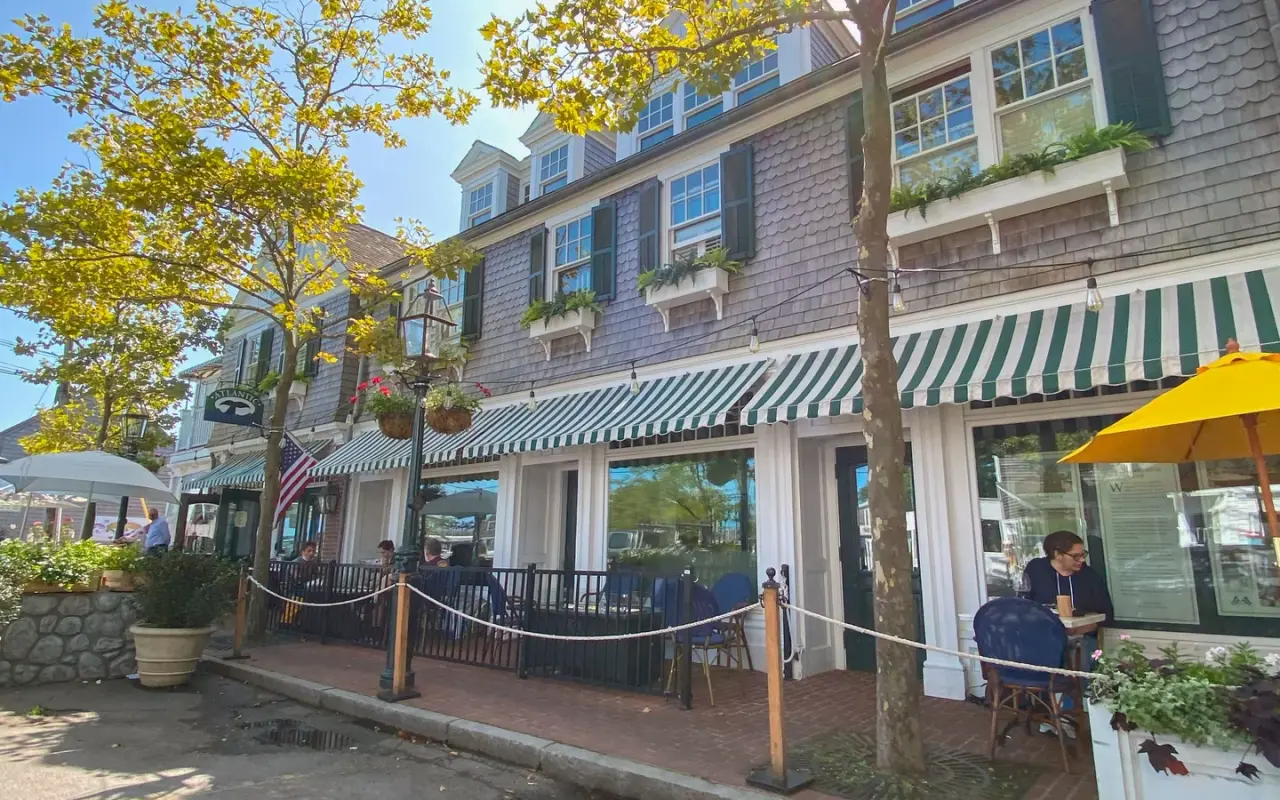
Edgartown · the AtlanticPhoto by MV Vacation
The Atlantic on the Edgartown waterfront, tables set out front.
Where to stay
The Vineyard is expensive in summer: weekly rentals run roughly $3,000 to $15,000 depending on town and season, and the good ones book out by spring. What helps: coming in the shoulder season (May–June or September–October, the quieter months either side of peak summer), basing yourself down-island (Oak Bluffs, Edgartown or Vineyard Haven) if you want to skip the car, and running the numbers with our trip cost calculator before you commit.
Bringing a dog
The island is dog-friendly with a big seasonal asterisk: most beaches ban dogs in summer, with Lobsterville in Aquinnah open to leashed dogs, and Vineyard Haven home to the fenced Tisbury Dog Park on Holmes Hole Road. Rules are set town by town and enforced; the full picture, from ferries to patios, is in our pet-friendly island guide.
A little history
The island has been home to the Wampanoag for thousands of years; Bartholomew Gosnold sailed in and named it in 1602, and the 18th and 19th centuries built its whaling, fishing and farming character. By the late 1800s Oak Bluffs had become one of America's earliest seaside resorts, its Methodist Campground ringed with Victorian gingerbread cottages that still stand. All of it is still visible: the cliffs at Aquinnah, the captains' houses in Edgartown, the working boats in Menemsha. If maritime history is your thing, our shipwrecks map covers centuries of wrecks in these waters.
A little planning goes a long way here: ferries book out months ahead, each town sets its own rules, and part of the island closes in winter. Once the logistics are sorted, there are good beaches, good food and towns you can cover on foot. Schedules and hours shift with the seasons, so it's worth confirming details close to your dates.
There is no bridge, so you come by ferry or by plane. Most people take the Steamship Authority from Woods Hole, about 45 minutes across the Sound. Walk-on passengers never need a reservation, but a summer car slot sells out months ahead. Every route and fare is in our ferry guide.
Do I need a car on the island?
Probably not. The VTA bus reaches all six towns and is fare-free through June 30, 2027, and paved bike paths run between Oak Bluffs and Edgartown, with Beach Road the way on to Vineyard Haven. Rideshare drivers can be scarce, so buses, bikes and local taxis are the usual way around. See how to visit without a car.
When is the best time to visit?
Late June to early September brings warm water and everything open, plus the crowds and prices. May to June and September to October are milder and quieter, with easier ferries. September is a different island: the Derby is on and beaches that are restricted in summer open to everyone. November to April is quiet and inexpensive, and part of the island closes.
Which beaches are best for families?
Head for the Sound side: the north shore on Vineyard Sound and the east shore (State Beach, the Inkwell) on Nantucket Sound. The water there is warm, calm and gentle. The South Shore faces the open Atlantic and has real rip currents, so treat it as a place to walk. Parking and sticker rules change beach by beach, so start with our beach guide.
Can I bring my dog to the beach?
Yes, with a big seasonal asterisk. Most beaches ban dogs in summer. Lobsterville in Aquinnah allows leashed dogs, and Vineyard Haven has a fenced dog park. Each town sets and enforces its own rules, so check the pet-friendly guide before you go.
How much does a week on Martha's Vineyard cost?
Summer is expensive. Weekly rentals run roughly $3,000 to $15,000 depending on town and season, and the good ones book out by spring. Coming in the shoulder season and basing yourself down-island helps. Run your own numbers with the trip cost calculator before you commit.
The Beach Guide (all 20 beaches decoded), The Vineyard in the Fall, the season date by date, Where to Stay, every town and price band, and What It Really Costs, the 2026 budget line by line. All four PDFs free, plus a short island letter when there is something worth telling. No schedule, no spam.
No spam, unsubscribe in one click. Want a look first? See what you get.
First email ever from us? Give it a minute, and peek in spam once.
Disclaimer: The information in this article is provided for general guidance only and was accurate at the time of writing. Beach conditions, hours, prices, lifeguard schedules, ferry fares, and business operations change frequently and without notice. Ocean swimming carries inherent risks including rip currents, undertow, and cold water shock. Always verify current conditions with official local sources before your visit. MV Vacation assumes no responsibility for any loss, injury, or inconvenience resulting from the use of this information. Swim only where lifeguards are on duty, supervise children at all times near water, and follow all posted safety signs.
A guide to Martha's Vineyard, written on the island: beaches, dining, events and island living. We write down what we know about the island so your trip goes the way you hoped.
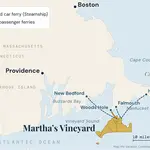
Where Martha's Vineyard is, with our own maps: an island in Dukes County, Massachusetts, under four miles across Vineyard Sound from Woods Hole on Cape Cod, 75 miles from Boston and 70 from Providence by road. How big it is, the six towns, up-island and down-island, every way to get there and where the name comes from.
Martha's Vineyard in December 2026: First Friday on December 4, Light Up Oak Bluffs on December 5, Christmas in Edgartown December 10 to 13, 4:15 sunsets, one ferry into Vineyard Haven, and what stays open through Christmas.
All six town libraries on Martha's Vineyard, checked October 2026: hours and addresses, how visitors get a library card, free Wi-Fi, the concerts, art shows and programs, the Libraries of Things with beach chairs and stargazing kits, museum and beach parking passes, and a short history of each building.
Cell service on Martha's Vineyard town by town: towers down-island, no tower in Chilmark or Aquinnah and the named dead spots, what each carrier reports to the FCC, free Wi-Fi at all six libraries and on the ferry, the $10 xfinitywifi pass, prepaid plans and 911 when you have no bars.
The twelve things that catch first-timers on Martha's Vineyard, from car reservations and the two ferry terminals to resident-only beaches, the last bus from Aquinnah and cash for the Chappy Ferry, each with an easy fix, plus the fall and winter dates.
EV charging on Martha's Vineyard: about 34 public stations, nearly all Level 2, listed town by town with ports and prices (the Edgartown Park and Ride, town halls, libraries, the airport, the Aquinnah cliffs), two fast-charging ports at the VTA, the Chilmark plans, no Supercharger, the ferry's EV rules, and how to run an electric week on a 20-mile island.
Island tip of the dayTimingNo. 61 of 79New tip at midnight, island time
Visit Edgartown on a Tuesday or Wednesday. Same beautiful town, maybe 30% of the weekend crowds. Most restaurants have availability without reservations.
Useful?
More on
Subscribe
The free island library · 2026
One short island letter, and all four guides to start
Beach reports, events worth a day, ferry heads-ups. Sent when there is something worth telling. The Beach Guide, The Vineyard in the Fall, Where to Stay and What It Really Costs arrive with your welcome email.
The Beach Guide, The Vineyard in the Fall, Where to Stay and What It Really Costs. No spam, one-click unsubscribe.
We use cookies for trip planning, site stats and ads, including ads based on your browsing. To opt out, turn on Global Privacy Control in your browser. Cookie policy
These cookies are essential for the website to function properly.
These cookies help us understand how visitors interact with the website.
These cookies are used to deliver personalized advertisements.