Travel advisorySteamship Authority travel advisory · Gale Warning on the ferry waters until Thu 8 AMGusty winds are forecast for Cape Cod and the Islands that will have the potential to cause cancellations on both the Hyannis-Nantucket and Woods Hole-Martha's Vineyard routes through Thursday. We are waiving change and cancellation fees for travel scheduled for Tuesday, October 20, through Thursday, October 22.Steamship Authority · checked 7:00 PM ET
By MV VacationUpdated 07 Oct, 20265 mins read 290 views
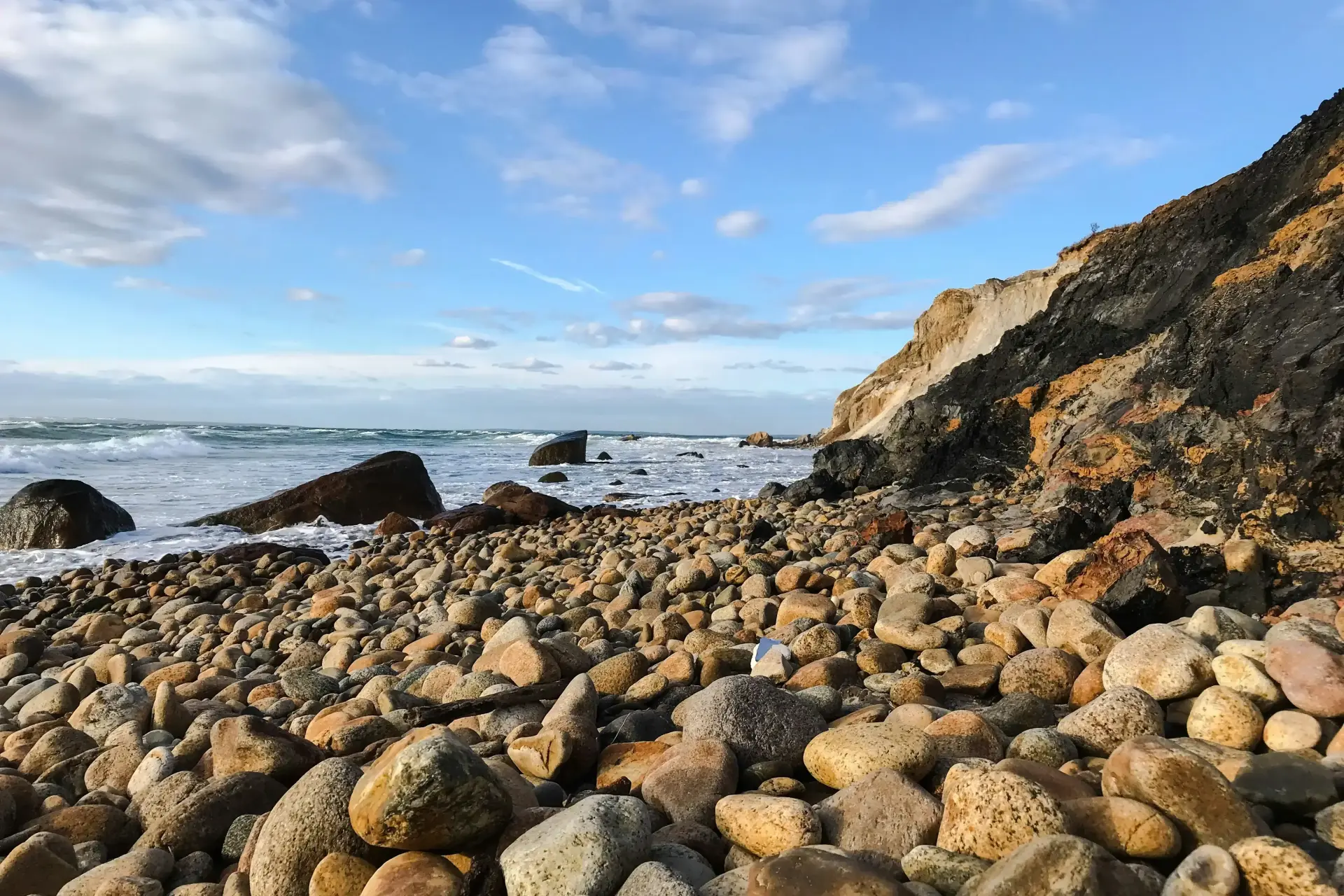
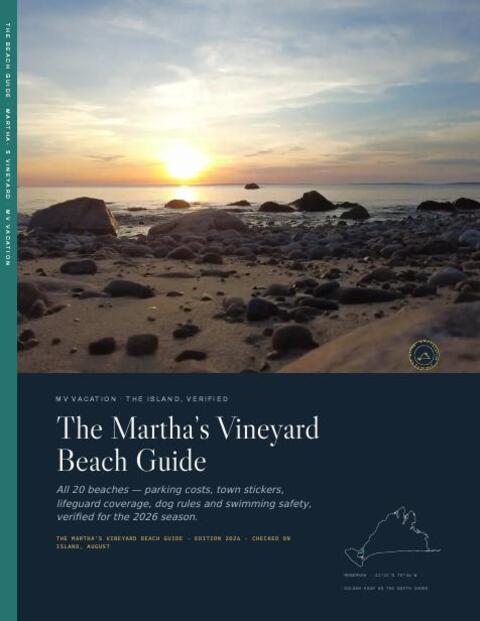
Aquinnah · below the cliffsPhoto by MV Vacation
Boulders on the beach below the Aquinnah cliffs.
The Gay Head Cliffs are sacred Wampanoag land, not just a viewpoint. What visitors are welcome to in Aquinnah, what the rules protect, and how to be a good guest.
Fact-checked August 20, 2026. Written with one premise: Aquinnah is the homeland of a living tribal nation, and visiting well starts there.
Most visitors come to the western tip of Martha's Vineyard for the view, and it's a good one: multicolored clay cliffs dropping to the Atlantic, the red-brick lighthouse above them, the Elizabeth Islands scattered across the sound. It is also Noepe, "land amid the waters," home of the Wampanoag people for at least 10,000 years, and the seat of the Wampanoag Tribe of Gay Head (Aquinnah), a federally recognized tribal nation of roughly 1,360 enrolled citizens.
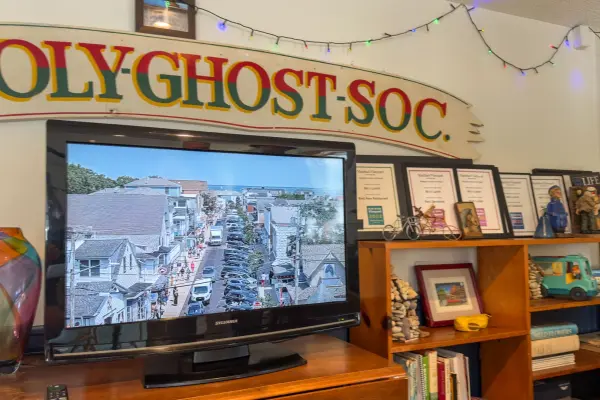
Filmed September 2024The island moves on: shops, signs and prices may differ from what you see here. The text of this guide was checked October 2026.
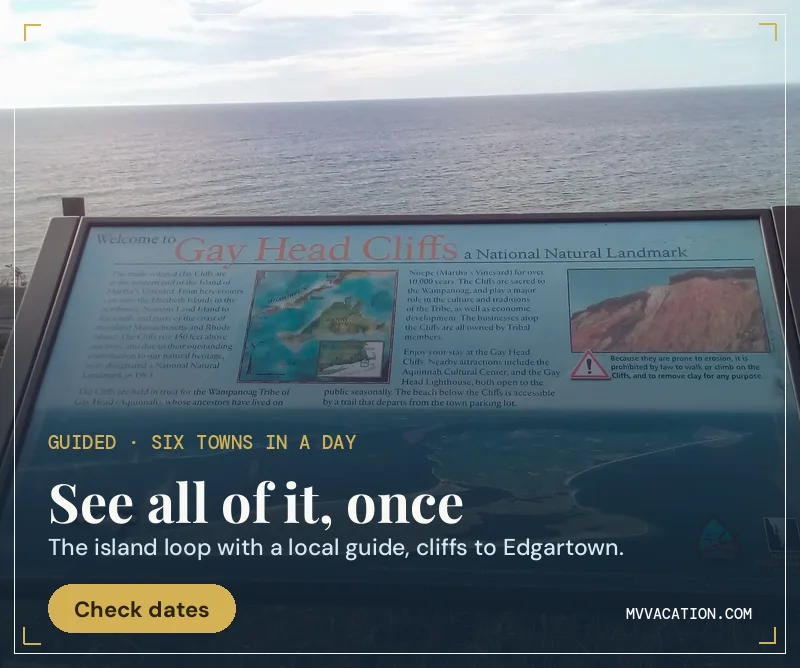
The cliffs are protected Wampanoag tribal land and a National Natural Landmark. Climbing the cliffs, touching the clay or taking any of it is illegal. The clay face you see took 100 million years to form and loses ground to every storm; it is also sacred ground, tied to Moshup, the benevolent giant of Wampanoag tradition who is said to have formed the island and stained the cliffs with the whales he caught. The overlook and the sand below are the places to take it in, and the clay stays where it is.
The Wampanoag Tribe today
The Wampanoag Tribe of Gay Head (Aquinnah) won federal recognition on April 10, 1987, with roughly 485 acres held in trust, including the cliffs and cranberry bogs. Today the tribe governs itself and runs its own programs. The town itself, long called Gay Head, voted in May 1997 (by a three-vote margin) to take back the name Aquinnah, "land under the hill," and the change became law in 1998.
Some of what happens in Aquinnah is for tribal citizens. Cranberry Day in October, the tribe's oldest holiday, is a community gathering. Visitors are welcome at what is offered publicly, and the rest is best left to the community.
For a fall trip
The Vineyard in the Fall, free
The Derby, the beaches that open to everyone and what closes when, date by date. Free with the island letter, together with our other three island guides.
One-click unsubscribe, and we never share your email.
What visitors are welcome to
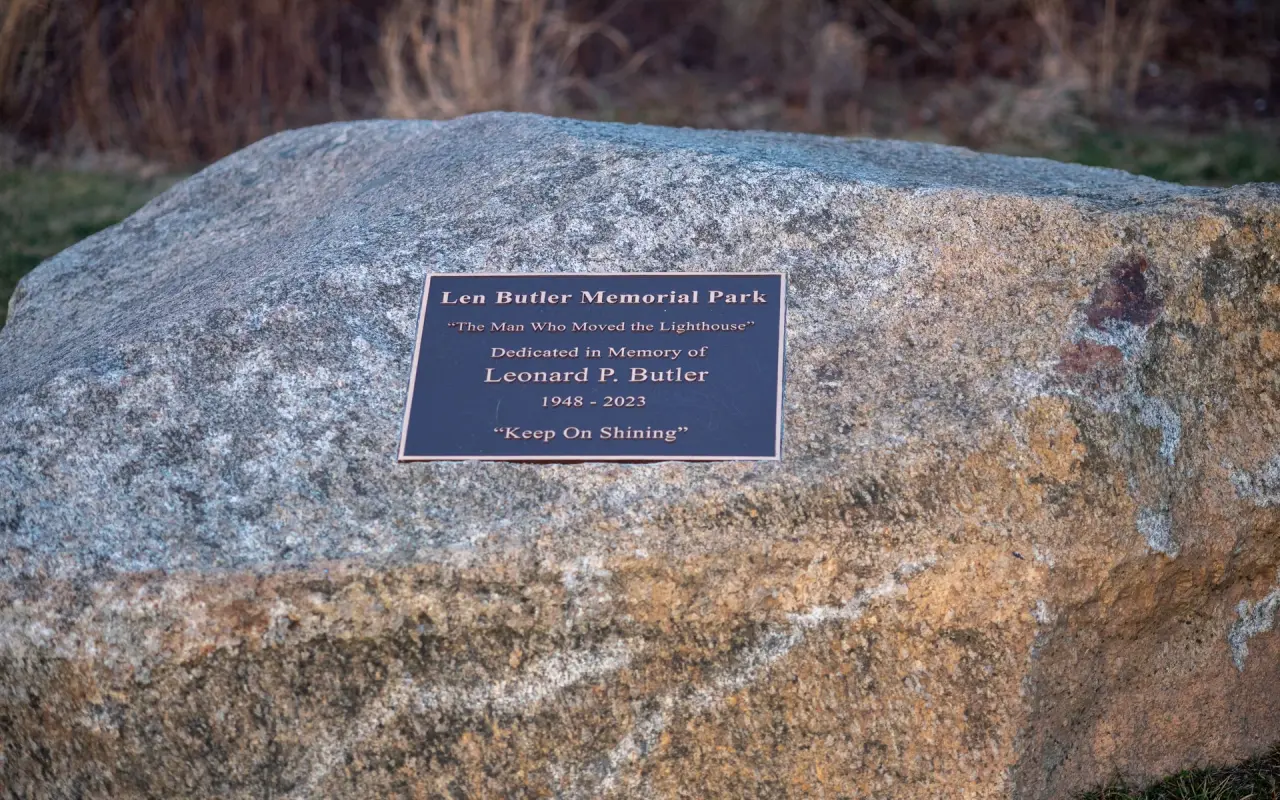
Aquinnah · Len Butler Memorial ParkPhoto by MV Vacation
The plaque at Len Butler Memorial Park remembers the man who led the 2015 move of the Gay Head Light back from the eroding cliff edge. It closes with two words: Keep On Shining.
The overlook at Aquinnah Circle is free and always open, and it has the classic view. The small cluster of shops and food stands at the Circle is Wampanoag-owned. It's the place to buy wampum jewelry made by tribal artisans, and the money stays in the community.
Visitors have been coming to the cliffs for a long time, and the Wampanoag have been hosting them the whole way. In the 1880s excursion steamers from Oak Bluffs and Vineyard Haven landed passengers at a dock below the cliffs, Gay Head families drove them up to the lighthouse by ox cart, and tribal members sold pottery made from the cliff clay to the day-trippers; a fifty-cent ticket bought the boat ride and, as one advertisement put it, the most magnificent light on the coast. The dock is long gone and the ox carts went out with the first automobiles. The clay work sold at the Circle today is made by tribal artisans, the only people who may take clay from the cliffs, and it is the direct descendant of that trade.
The same families sent their men to sea. When Melville wrote Moby-Dick in 1851 he made the harpooner Tashtego a Wampanoag from Gay Head and noted that in the whale fishery such men were known simply as Gay-Headers. In 1902 Amos Smalley of Gay Head harpooned a white sperm whale off the Azores from the bark Platina, the only person on record to have done it, and Reader's Digest told his story in 1956 under the title I Killed Moby Dick. Up the hill from the Circle, the Community Baptist Church of Gay Head has been gathering since 1693, the oldest continuously operating Native American Baptist church in the country; the building was raised in 1698 on Old South Road and moved to the town center in 1850.
West Tisbury · the wall at 7a FoodsPhoto by MV Vacation
The same message farther east, on the deli wall at 7a Foods in West Tisbury.
The Gay Head Lighthouse opened for climbing on Memorial Day weekend 2026, its first full season since the lantern restoration finished in June 2025. The year 2026 is also 170 years since the brick tower was finished, and the town of Aquinnah has owned the light since February 2015. In 2026 it was open daily through Labor Day weekend, 10 AM to 4 PM, $6 for ages 13 and up; for any fall days, check gayheadlight.org. The 1856 tower was moved 129 feet back from the eroding edge in 2015.
The Aquinnah Cultural Center, in the historic Vanderhoop Homestead below the lighthouse, has exhibits on Wampanoag history and lifeways, told by the people themselves. In summer the center also runs a guided walking tour led by a tribal member on select Wednesday afternoons, from the Cultural Center past the overlook to the lighthouse, at $10 per adult.
Moshup Beach below the cliffs is open to everyone: the town lot charges $35 a day (card only), while walking or biking in is free, and the fare-free VTA Route 5 bus stops right at the Circle. A ten-minute path leads down to the sand, and the cliff rule applies there too.
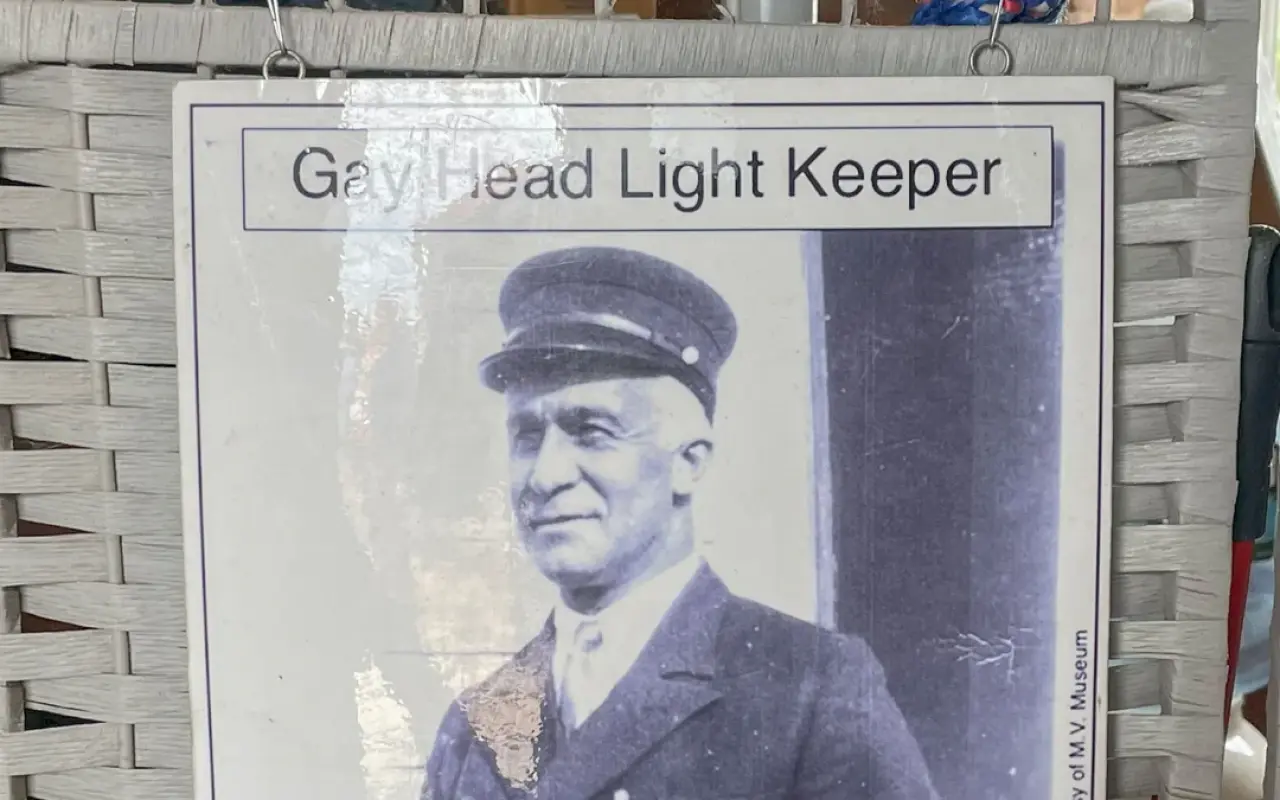
Gay Head Light · the keeperPhoto by MV Vacation
A display honoring Charles W. Vanderhoop, the Aquinnah Wampanoag keeper of the Gay Head Light, with a photograph courtesy of the M.V. Museum.
Practical notes
Aquinnah is the island's quietest town: no gas station, no supermarket, a couple of seasonal food windows at the Circle. It helps to arrive with a full tank and anything you need already bought; Aquinnah restaurants pour beer and wine only. The drive from Vineyard Haven takes about 40 minutes; the fare-free Route 5 bus does it by way of West Tisbury, with a change of bus there in summer (off-season the Vineyard Haven bus carries straight on). Sunset from the cliffs is free and worth staying for, but the evening schedule thins, so it's worth checking the last bus back first.
For the town basics (beaches, parking, the full sight list), see our Aquinnah town guide. For another history walk, pair this trip with the African American Heritage Trail: two communities with long histories here, one at each end of the island.
Island tip of the dayShoppingNo. 35 of 86New tip at midnight, island time
Single-use plastic checkout bags are banned in all six island towns (since 2017), so pack a reusable tote. Or buy one here: canvas bags from the Black Dog, Cronig's or Alley's General Store make souvenirs that keep working at home.
Useful?
More on
Four free downloads · 2026 editions
Four island guides, in your inbox
The Beach Guide (all 20 beaches decoded), The Vineyard in the Fall, the season date by date, Where to Stay, every town and price band, and What It Really Costs, the 2026 budget line by line. All four PDFs free, plus a short island letter when there is something worth telling. No schedule, no spam.
No spam, unsubscribe in one click. Want a look first? See what you get.
First email ever from us? Give it a minute, and peek in spam once.
Disclaimer: The information in this article is provided for general guidance only and was accurate at the time of writing. Beach conditions, hours, prices, lifeguard schedules, ferry fares, and business operations change frequently and without notice. Ocean swimming carries inherent risks including rip currents, undertow, and cold water shock. Always verify current conditions with official local sources before your visit. MV Vacation assumes no responsibility for any loss, injury, or inconvenience resulting from the use of this information. Swim only where lifeguards are on duty, supervise children at all times near water, and follow all posted safety signs.
A guide to Martha's Vineyard, written on the island: beaches, dining, events and island living. We write down what we know about the island so your trip goes the way you hoped.
Joshua Slocum, first to sail alone around the world, spent his last years farming in West Tisbury and vanished from Vineyard Haven harbor in November 1909. The voyage, the farm called Fag End, the last departure, and what a visitor can actually see: the harbor, a marker stone by a country road, the museum's Slocum papers, and the book itself.
Who summered where on Martha's Vineyard, and what a visitor can actually see: Eisenstaedt's Menemsha, Benton's Chilmark, Cronkite's Edgartown harbor, Styron and Buchwald in Vineyard Haven, McCullough and Katharine Graham in West Tisbury, Belushi's grave at Abel's Hill, and the Onassis farm in Aquinnah that opened to the public in 2025. Public places named, private homes left alone.
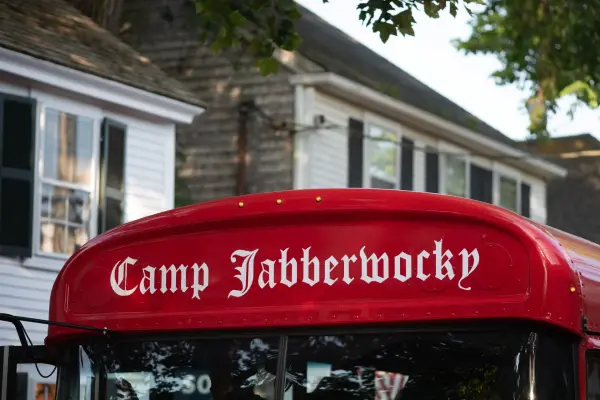
The red bus that gets the loudest cheer in the Edgartown Fourth of July parade belongs to Camp Jabberwocky, a tuition-free summer camp for people with disabilities that has run on the Vineyard since 1953. An islander's account of where it came from and what it is. For anything official, the camp's own site is the source.
The Feast of the Holy Ghost in Oak Bluffs, held every third full weekend of July since 1928: the Queen Isabel legend behind the free soup, the Sunday parade from the ferry up Circuit Avenue, the crown blessed at Our Lady Star of the Sea, the sopas at the Portuguese-American Club, the club the rest of the year, and how a visitor should behave at the island's Portuguese feast.
The words you will hear on Martha's Vineyard and what they mean: up-island and down-island, on-island and off, going to America, the boats, wash-ashore versus native, Five Corners, the Triangle, the Blinker, Chappy, OB, the Campground, the Derby, the Fair, island cars and the Vineyard shuffle, with pronunciations.
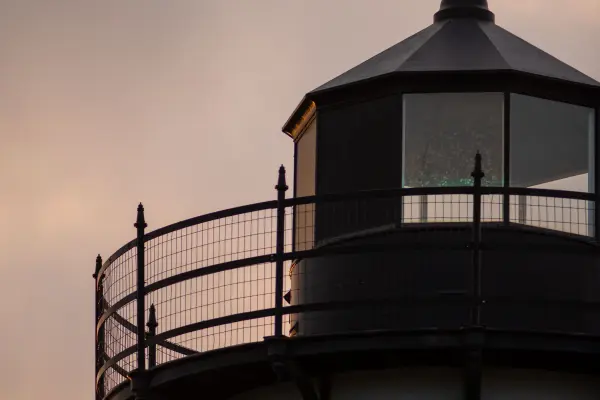
East Chop Lighthouse in Oak Bluffs: the 1878 cast-iron tower on Telegraph Hill, the Sunday sunset openings run by the Martha's Vineyard Museum, the semaphore and Chocolate Lighthouse history, and the bus stop and parking below the hill.
Subscribe
The free island library · 2026
One short island letter, and all four guides to start
Beach reports, events worth a day, ferry heads-ups. Sent when there is something worth telling. The Beach Guide, The Vineyard in the Fall, Where to Stay and What It Really Costs arrive with your welcome email.
The Beach Guide, The Vineyard in the Fall, Where to Stay and What It Really Costs. No spam, one-click unsubscribe.
We use cookies for trip planning, site stats and ads, including ads based on your browsing. To opt out, turn on Global Privacy Control in your browser. Cookie policy
These cookies are essential for the website to function properly.
These cookies help us understand how visitors interact with the website.
These cookies are used to deliver personalized advertisements.